What exactly is a structural element analysis? Isn't that just a regular home inspection?
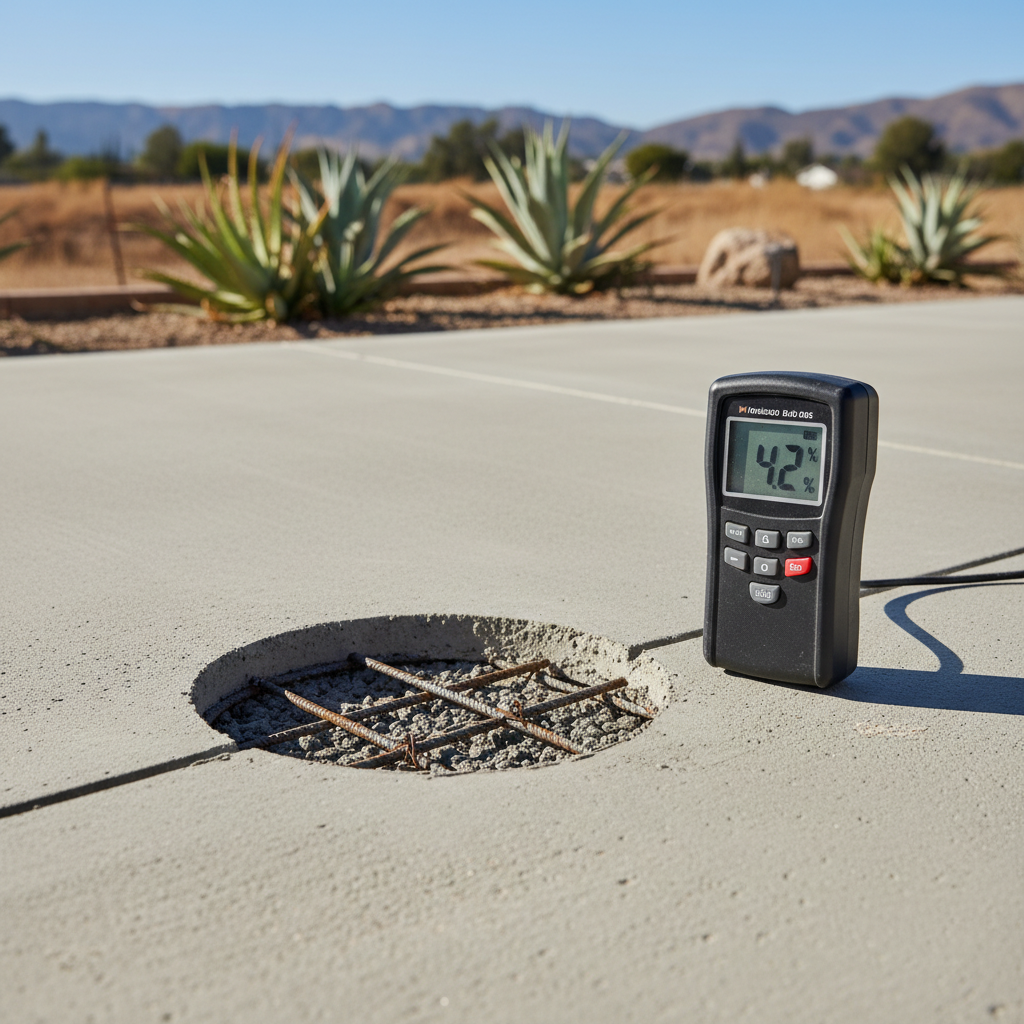
Nah, it's not the same as your standard home inspection. Not by a long shot. A regular home inspection is great for spotting general issues – think leaky faucets, an old water heater, maybe some cracked tiles. It’s a broad overview, you know? A structural element analysis, though? That's a deep dive into the very bones of your house. We're talking about the foundation, those load-bearing walls, the roof framing, the floor joists, the beams – basically anything that holds your house up and keeps it stable. We're looking for things like foundation cracks, signs of settlement, dry rot, termite damage that's gone past the surface, or any kind of compromise to the integrity of the structure. It’s way more specialized, and often requires a different kind of expertise than a general inspector might have.
When should I consider getting a structural analysis done on my North Anaheim home?
You should definitely consider one in a few key situations. If you're buying an older home, especially one built before the 1970s, it's almost a must. Those older homes around the Colony or the Platinum Triangle can have some unique issues, believe me. If you're seeing visible signs of trouble – like significant cracks in your foundation or walls (especially diagonal ones), uneven floors, doors or windows that suddenly stick, or a sagging roofline – don't wait. Seriously, get it checked out. Also, if you're planning a major renovation that involves moving walls or adding a second story, you'll need one to make sure the existing structure can handle the changes. And hey, if you've had a major event, like a small earthquake or even just a significant plumbing leak that went unnoticed for a while, it's smart to get things checked out. Better safe than sorry, right?
What kind of problems does a structural analysis typically uncover?
We see a pretty wide range of stuff. Foundation issues are huge here in North Anaheim, especially with some of the varied soil conditions we have. We're talking hairline cracks that might be nothing, to serious foundation settlement or heave that needs immediate attention. Then there's wood damage: dry rot from moisture intrusion, wood-boring beetle activity, or, of course, termite damage. Termites are a constant battle in Southern California, and they can really chew through structural elements if left unchecked. We also look for improper framing, overloaded beams, or signs that previous DIY renovations might have compromised structural integrity. Sometimes it's just minor stuff, other times it's a significant repair that needs to happen.
How long does a structural analysis take, and what's involved in the process?
It's not a quick walk-through, that's for sure. The time it takes really depends on the size and complexity of your home, and what we're specifically looking for. A typical analysis might take anywhere from two to four hours, sometimes longer for really large or complicated properties. We'll start with a thorough visual inspection, both inside and out. We're looking at the foundation perimeter, crawl spaces if you have 'em, the attic, all the load-bearing walls, floors, and the roof structure. We'll use tools like moisture meters to detect hidden water issues, and sometimes even specialized cameras for hard-to-reach areas. If we find something suspicious, we might need to do some minor probing or recommend further investigation by a structural engineer. We're pretty meticulous; we've got to be when we're talking about the safety of your home.
Will you actually go into my crawl space or attic? I've heard some inspectors skip those.
Absolutely, we'll go into your crawl space and attic, assuming they're safely accessible. How else are we supposed to get a real look at the foundation, the floor joists, the subfloor, or the roof framing? Those are critical areas for identifying structural issues. Any inspector who skips those isn't doing a complete job, and you'd be missing out on vital information about your home's health. We've seen plenty of dry rot, termite damage, and even compromised framing in crawl spaces and attics that would have been completely missed otherwise. It might be dusty or a little tight, but it's part of the job and essential for a thorough analysis.
What's the difference between your structural analysis and what a structural engineer does?
That's a great question, and it's important to understand the distinction. What we do at The Termite Inspectors of North Anaheim is a detailed inspection to identify existing structural problems, potential risks, and areas of concern. We're looking for evidence of damage, deterioration, or conditions that could lead to structural failure. We'll tell you what we found and often recommend next steps. A structural engineer, on the other hand, is a licensed professional who can provide calculations, designs, and specific repair plans. If we find significant issues – like major foundation cracks or severely compromised beams – we'll recommend bringing in a structural engineer. They're the ones who'll give you the blueprints and specifications for fixing it properly. Think of us as the diagnosticians who find the problem, and the engineer as the specialist who prescribes the exact treatment plan.
What happens after the analysis? Do you just tell me what's wrong and leave?
Not at all. Once we've completed the analysis, we'll provide you with a comprehensive report detailing everything we found. This report will include descriptions of any issues, photos, and our recommendations. We'll sit down with you, or talk over the phone, and explain everything clearly, answering any questions you have. If there are minor issues, we might suggest straightforward repairs you can tackle. For more significant problems, as I mentioned, we'll recommend consulting a structural engineer or a qualified contractor specializing in that type of repair. Our goal isn't just to point out problems; it's to give you the knowledge and guidance you need to protect your investment and ensure your North Anaheim home is safe and sound for years to come. We're here to help you understand your options and make informed decisions.