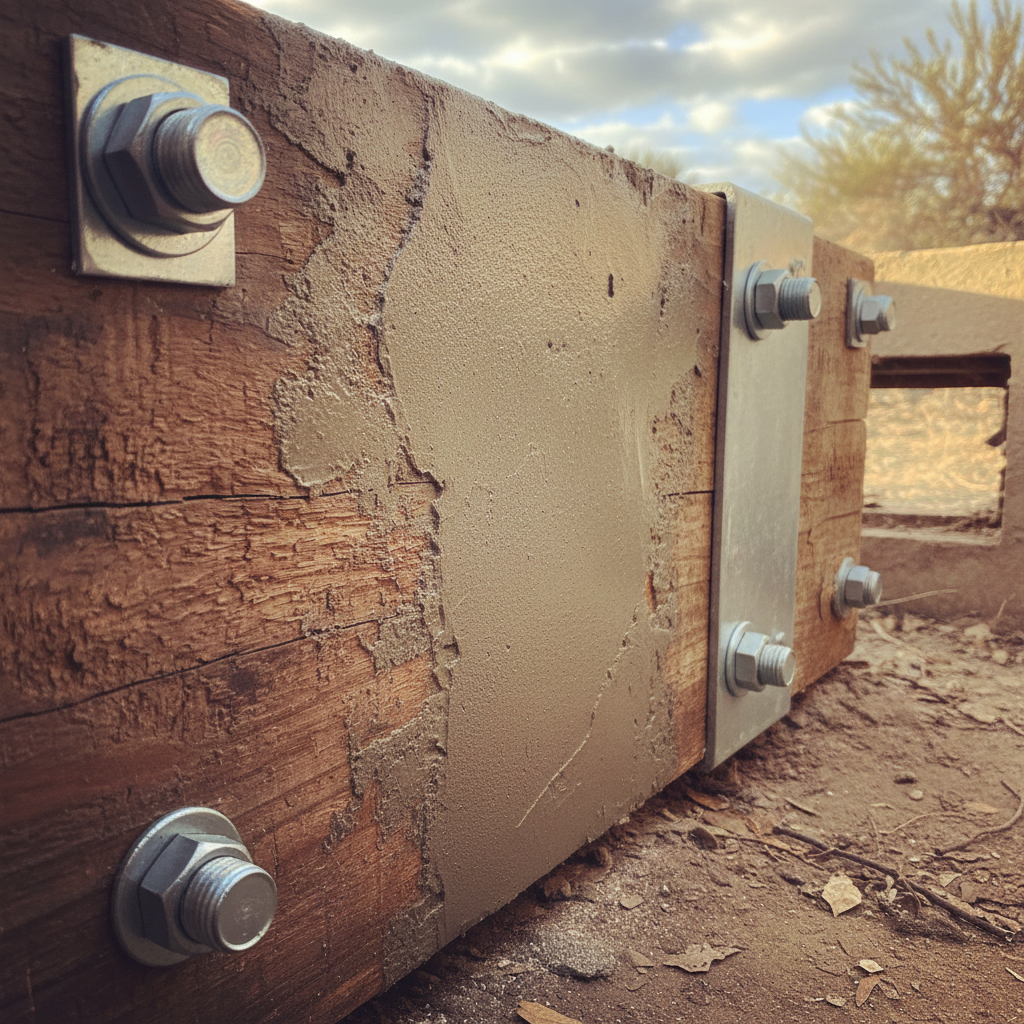
Alright, let's talk about the bones of your house: the structural elements. We're not just talking about cosmetic stuff here; this is about what keeps your roof over your head and your floors level. As a contractor, I've seen a lot of things that could have been caught earlier, saving homeowners a ton of headache and money. So, what can you, as a North Anaheim homeowner, realistically do to keep an eye on things?
Before You Start: Know Your Home's Story
Before you even think about poking around, grab any old blueprints or inspection reports you have. If you bought an older home, especially those built in the 50s or 60s around the Anaheim Colony or even the newer developments near the 91, it probably has some quirks. Knowing what materials were used, where load-bearing walls are, and if any additions were made can give you a huge head start. You're looking for a baseline here, right? What did it look like when it was new, or at least when you bought it?
You'll want to get a good flashlight, a tape measure, maybe a level, and a notepad. It's not about being an expert, it's about being observant. Take photos of anything that looks suspicious – it's always good to have a visual record. And don't be afraid to get a little dirty; some of the most important clues are in the less-trafficked areas.
During Your DIY Structural Check: What to Look For
Okay, let's get into the nitty-gritty. You're looking for signs of movement, water damage, or pest activity that could compromise the structure. Here's a quick run-down:
- Foundation: This is ground zero. Go outside and walk around your house. Look for cracks in the concrete or stucco. Hairline cracks are often just cosmetic, but if a crack is wider than a quarter-inch, runs horizontally, or shows one side of the foundation higher than the other, that's a red flag. Inside, check your basement or crawl space walls. Are any walls bowing? Do you see any efflorescence (that white, powdery residue) indicating moisture?
- Floors: Do your floors feel bouncy or sloped? Use that level. A slight slope in an old house isn't always a disaster, but significant dips or humps, especially near walls, could point to issues with joists or the foundation. Check for gaps between the floor and baseboards – another sign of movement.
- Walls and Ceilings: Look for cracks, especially around door and window frames. Vertical cracks usually come from settling, but horizontal cracks or cracks that are wider at the top than the bottom (or vice-versa) can mean more serious stress. Water stains on ceilings can mean roof leaks, which can rot structural wood over time.
- Roofline: From the ground, step back and look at your roof. Does it sag anywhere? Is it perfectly straight? A wavy roofline can be a sign of compromised trusses or rafters.
- Pests: Termites, especially subterranean ones common here in North Anaheim, love to eat wood from the inside out. If you see mud tubes on your foundation, discarded wings, or hear hollow sounds when you tap on wood, you've got a problem. That's when you call The Termite Inspectors of North Anaheim, pronto. Carpenter ants can also cause damage, though usually not as quickly or extensively as termites.
Remember, you're not diagnosing; you're observing. If something just doesn't feel right, or you see something on this list that looks serious, don't ignore it.
When to Call a Pro: Don't Be a Hero
This is crucial. Your DIY check is for identifying potential issues, not for fixing them. If you find anything that looks like more than a minor cosmetic issue, or if you're just plain unsure, it's time to bring in the cavalry. Here's when you absolutely need a professional:
- Significant Cracks: Anything wider than a quarter-inch, horizontal cracks, stair-step cracks in brick, or cracks that extend through the foundation.
- Bowing Walls: In a basement or crawl space, if walls are pushing inward.
- Major Floor Sagging or Unevenness: If a level shows a significant slope across a room.
- Doors or Windows Sticking: If they suddenly become hard to open or close, and it's not just humidity. This can indicate frame distortion.
- Visible Water Damage with Structural Impact: Soft or spongy wood, active leaks that have been going on for a while.
- Pest Infestation: As I mentioned, if you suspect termites or other wood-destroying organisms, get a pest control expert in there immediately. They can assess the damage and recommend treatment.
- After a Major Event: If we get one of those rare, stronger earthquakes, or if there's been significant ground settling.
A structural engineer is the go-to for assessing the integrity of your home's framework. They can tell you exactly what's going on, why it's happening, and what needs to be done to fix it. Sometimes, it's a simple fix; other times, it's a major repair. But you won't know until you get an expert opinion.
After the Inspection: What Happens Next
Once a professional has assessed the situation, they'll give you a report. This report should outline the issues, their severity, and recommended solutions. Don't be afraid to ask questions. Make sure you understand everything. If repairs are needed, get multiple quotes from reputable contractors. Look for contractors who specialize in foundation repair, framing, or whatever specific issue you're facing.
Always verify licenses, insurance, and references. A good contractor will walk you through the process, explain the scope of work, and give you a clear timeline. Structural repairs can be disruptive, so be prepared for some inconvenience. But trust me, addressing these issues head-on is always better than letting them fester. Your home is probably the biggest investment you'll ever make; taking care of its structure protects that investment and, more importantly, keeps your family safe.