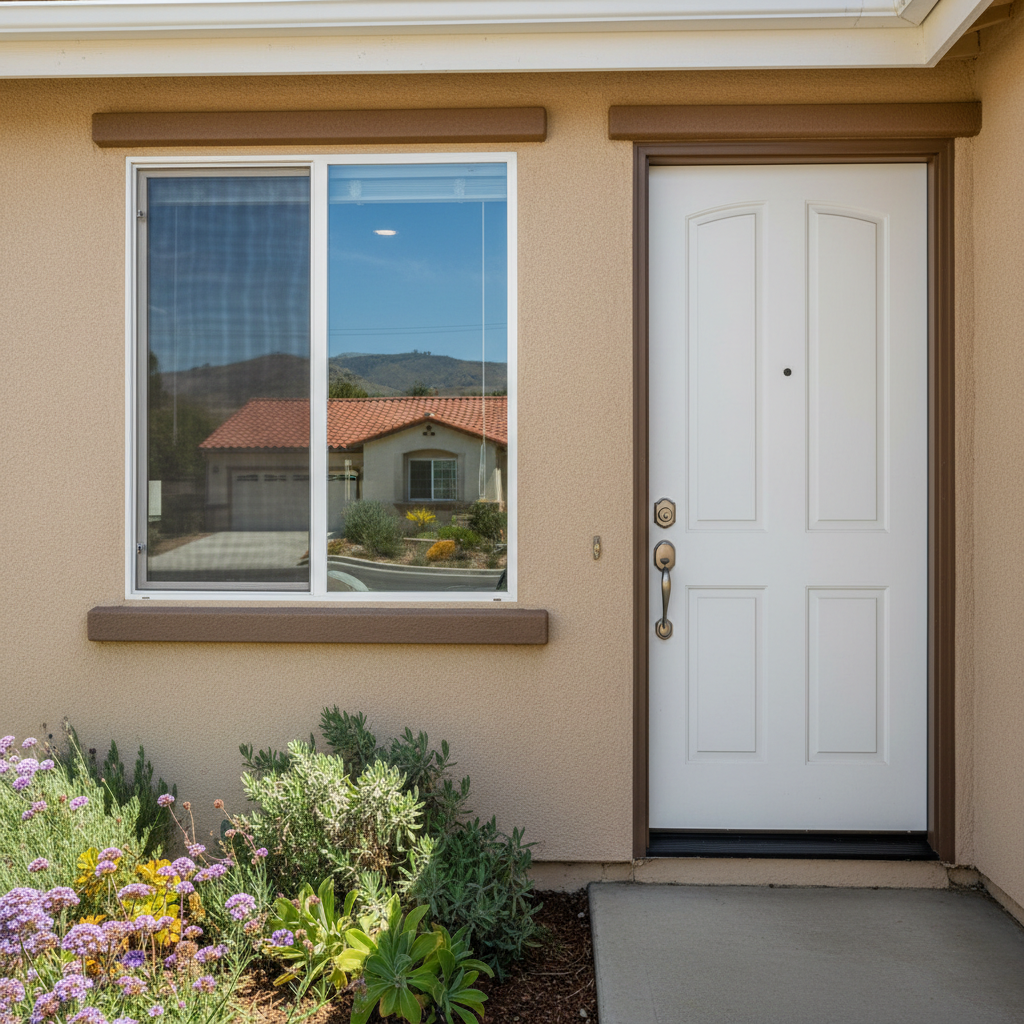
Ever tried to open a window on a nice breezy day, only for it to stick halfway up? Or maybe your front door just doesn't quite latch like it used to? That's a common headache, especially here in North Anaheim with our mix of hot, dry spells and occasional dampness. Your windows and doors aren't just for looks; they're truly crucial for your home's energy efficiency, security, and comfort. Taking care of them isn't rocket science, but it does take a little attention.
Extending the Life of Your Windows and Doors
You want your windows and doors to last, right? Of course you do. The biggest thing you can do to extend their life is to keep them clean and lubricated. Dust, dirt, and grime build up in tracks and hinges, especially with our Santa Ana winds kicking up all that fine particulate matter. That grit acts like sandpaper, slowly wearing down moving parts.
For windows, especially the sliding ones common in many of the ranch-style homes around the Anaheim Canyon area, make sure those tracks are clear. Use a vacuum with a brush attachment to suck out the loose stuff, then wipe them down with a damp cloth. If you've got double-hung windows, clean the jamb liners. Once they're clean, a dry lubricant like silicone spray or paraffin wax on the tracks and moving parts works wonders. Just don't use oily lubricants; they attract more dirt.
Doors need attention too. Hinges, especially on exterior doors, can get stiff and squeaky. A little spray lubricant on the hinge pins will quiet them down and keep them moving freely. And don't forget the door's weatherstripping. Our intense summer sun can make it brittle and crack over time. If it's looking rough, replace it. It's a cheap fix that saves you a lot on your AC bill, believe me.
Regular Maintenance: What It Looks Like
I tell my clients to think of window and door maintenance like changing the oil in your car. It's not a daily thing, but it shouldn't be a 'never' thing either. I'd say twice a year is a good rhythm. Maybe once in the spring after the winter rains (if we get any!) and before the heat really sets in, and then again in the fall.
- Clean Tracks and Frames: Like I said, vacuum and wipe. Pay attention to the weep holes on window frames; they're tiny holes designed to let water drain out. If they're clogged, water can build up inside the frame and cause damage. A small, stiff brush or even a straightened paper clip can clear them out.
- Lubricate Moving Parts: Silicone spray for window tracks, hinges, and even the rollers on sliding patio doors. For door locks and deadbolts, a graphite-based lubricant is best.
- Check Weatherstripping and Seals: Go around your house and feel for drafts. If you feel air coming in, your weatherstripping is probably shot. Look for cracks, gaps, or flattening. Replace it if it's not sealing tight. Also, check the caulk around the exterior of your window and door frames. If it's cracked or pulling away, re-caulk it. This is huge for keeping out moisture and pests.
- Inspect Hardware: Tighten any loose screws on handles, hinges, and locks. If a handle is wobbly or a lock feels sticky even after lubrication, it might be time for a replacement.
Warning Signs of Problems
You don't need to be a detective to spot trouble. Your windows and doors will usually tell you when something's wrong. Here are some red flags I see all the time:
- Difficulty Operating: If a window is hard to open or close, or a door sticks when you try to swing it open, that's a clear sign. It could be a simple lubrication issue, but it could also be a warped frame or foundation settlement.
- Drafts or Air Leaks: This is a big one for your energy bill. If you feel air moving around a closed window or door, you're losing conditioned air. Check the weatherstripping first, but it could also indicate a poor seal or a problem with the frame itself.
- Moisture Between Panes: If you have double-pane windows and you see condensation or fogging between the glass, the seal has failed. This means the insulating gas has escaped, and the window isn't as energy-efficient anymore. You can't fix this yourself; the glass unit needs to be replaced.
- Rot or Soft Spots: Especially on older wooden frames, look for discolored or soft wood, particularly at the bottom of frames or sills. This is often a sign of water damage and can lead to structural issues and even attract pests like termites. The Termite Inspectors of North Anaheim see this kind of damage all the time.
- Cracks in the Frame or Glass: Obvious, I know, but sometimes small hairline cracks can be overlooked. They can grow and compromise the integrity of the window or door.
- Pest Intrusion: If you're finding ants, spiders, or other creepy crawlies getting in around your windows and doors, it means there are gaps somewhere.
When to Call a Professional
Look, I'm a big believer in DIY when it makes sense, but some things are just beyond a homeowner's scope. You should definitely call in a pro if:
- You suspect foundation issues: If multiple windows and doors throughout your house are sticking, or you see large cracks in walls near them, it's not just a window problem; it's a structural one.
- The glass unit is fogged: As I mentioned, a failed seal means a new insulated glass unit. That's a job for a window specialist.
- There's significant wood rot: Small patches of rot might be repairable, but extensive rot usually means the frame or even part of the wall structure is compromised. You need someone who can properly assess and repair or replace the damaged sections.
- You're dealing with persistent drafts after basic maintenance: If you've replaced weatherstripping and re-caulked, but you still feel cold air, there might be an issue with the frame installation or the window/door unit itself.
- Security is compromised: If a lock mechanism is broken, or a door isn't latching securely, don't mess around. Get it fixed right away.
- You're just not comfortable: No shame in admitting a job is too big or too complex. Sometimes it's better to let someone with the right tools and experience handle it.
Taking care of your windows and doors isn't the most glamorous home maintenance task, but it pays off big time in comfort, energy savings, and the longevity of your home. A little bit of effort goes a long way to keep things running smoothly.