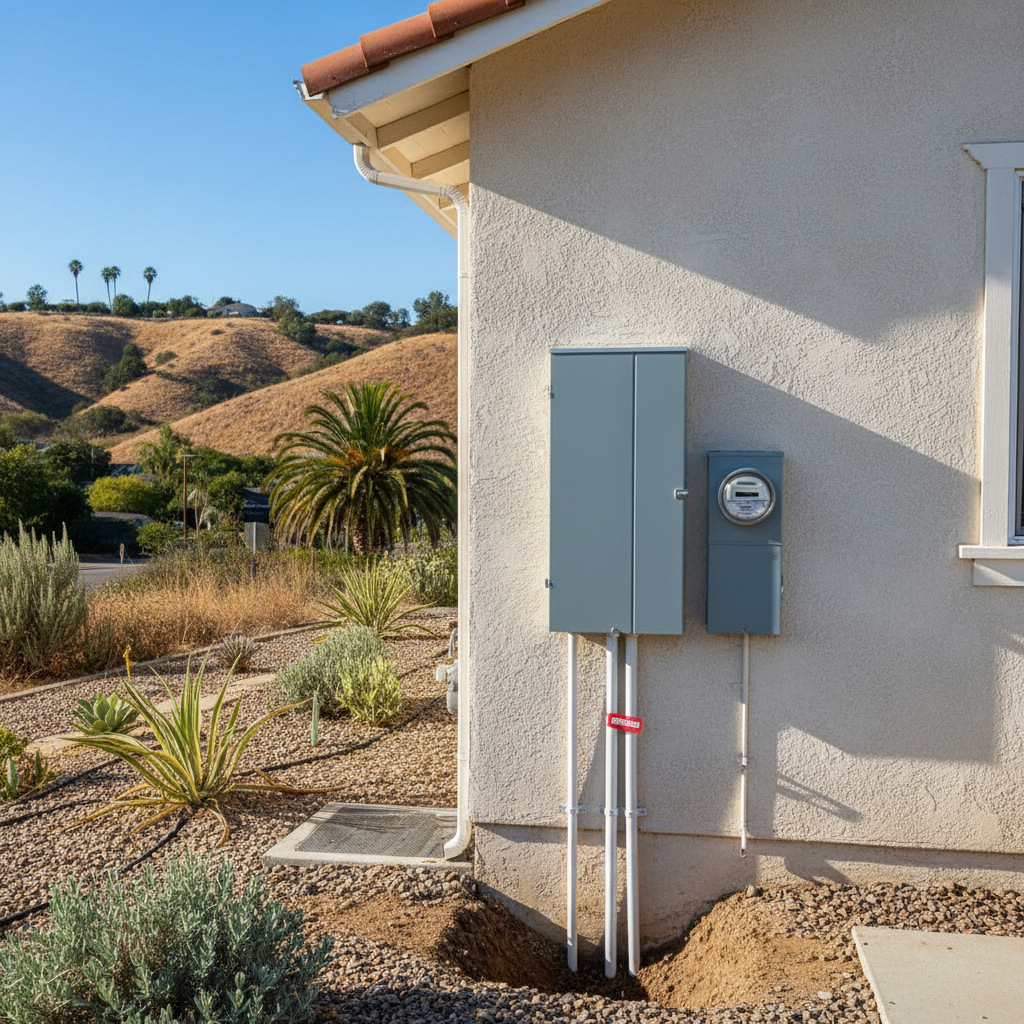
When's the best time to get your home's electrical system checked out? Most folks don't even think about it until something goes wrong, right? But here in North Anaheim, our climate actually plays a pretty big role in how your electrical system behaves and when it's smartest to have it inspected.
I've been doing this a long time, and I've seen firsthand how our hot, dry summers and occasional wet winters can really stress out electrical components. It's not just about age; the environment matters a lot too.
The North Anaheim Climate & Your Wiring
You know how our summers get? We're talking triple-digit days sometimes, especially out in areas like the Colony District where older homes might still have original wiring. That heat isn't just uncomfortable for you; it's tough on your electrical system. Wires expand and contract, insulation can degrade faster, and connections can loosen over time. Then you crank up the AC, and suddenly your system is working overtime, pulling a lot more juice than it might during milder months.
What about winter? We don't get a ton of rain, but when we do, it can be heavy. And that moisture, combined with any underlying issues, can be a real problem. Water and electricity just don't mix, do they? If you've got any exposed wiring, a compromised service mast, or even just old, cracked conduits, that moisture can find its way in. This is why I always tell people: don't wait for a problem to pop up. Proactive checks are key.
When to Schedule Your Electrical Inspection
So, when's the ideal time? Honestly, there isn't one single 'perfect' day. But I generally recommend a couple of windows:
- Late Spring/Early Summer: This is before the real heat hits. It gives us a chance to spot any issues that might get worse with high temperatures and increased AC usage. We can check for signs of overheating, worn insulation, or loose connections before they become a fire hazard when your system is under maximum load. Plus, it's usually dry enough that we don't have to worry about rain messing with exterior components.
- Early Fall: After the summer, but before any significant winter rains. This lets us see how your system handled all that summer stress. Did anything get overworked? Are there new signs of wear? It's also a good time to check for any potential water intrusion points before the wet season really kicks in.
If you're buying or selling a home, obviously you'll schedule it as part of that process. But for regular maintenance, those shoulder seasons are usually your best bet. It's not too hot, not too wet, and your system isn't typically running at its absolute peak, which can sometimes mask intermittent issues.
What We Look For & Why It Matters
When I'm doing an electrical inspection, I'm not just flipping switches. I'm looking for:
- Overloaded Circuits: Are there too many devices on one circuit? This is super common in older North Anaheim homes that weren't built with today's power demands in mind.
- Wiring Condition: Are wires frayed, cracked, or exposed? Is the insulation brittle?
- Panel Health: Is your electrical panel properly sized? Are there any signs of corrosion, rust, or burnt breakers? This is the heart of your home's electrical system, after all, and it needs to be in top shape.
- Grounding & Bonding: Is your system properly grounded? This is a huge safety factor, especially with our occasional thunderstorms.
- Outlets & Switches: Are they working correctly? Are any loose or hot to the touch?
- GFCI/AFCI Protection: Do you have the right safety outlets in the right places (kitchens, bathrooms, garages, outdoors)? These save lives.
These aren't just minor fixes. Electrical problems can lead to power outages, appliance damage, and, worst-case scenario, electrical fires. Protecting your investment means protecting your family and your property.
Protecting Your Investment Year-Round
Beyond the inspection, there are things you can do:
- Don't overload outlets: If you're using extension cords all over the place, you probably need more outlets or a dedicated circuit.
- Be mindful of appliance usage: Running a bunch of high-draw appliances (AC, microwave, hairdryer, toaster oven) all at once can stress your system.
- Check for flickering lights: This can be a sign of loose wiring or an overloaded circuit.
- Listen for buzzing sounds: From outlets or your electrical panel, this is a red flag.
- Keep your panel clear: Don't store boxes or anything flammable in front of your electrical panel. It needs clear access for safety and maintenance.
Look, your home's electrical system isn't something you want to mess around with. It's complex, and frankly, dangerous if you don't know what you're doing. Getting a professional eye on it regularly, especially considering our local climate, is just smart homeownership. If you're due for a check-up or have any concerns, give us a call at The Termite Inspectors of North Anaheim. We're not just about pests; we make sure your whole home is safe and sound.