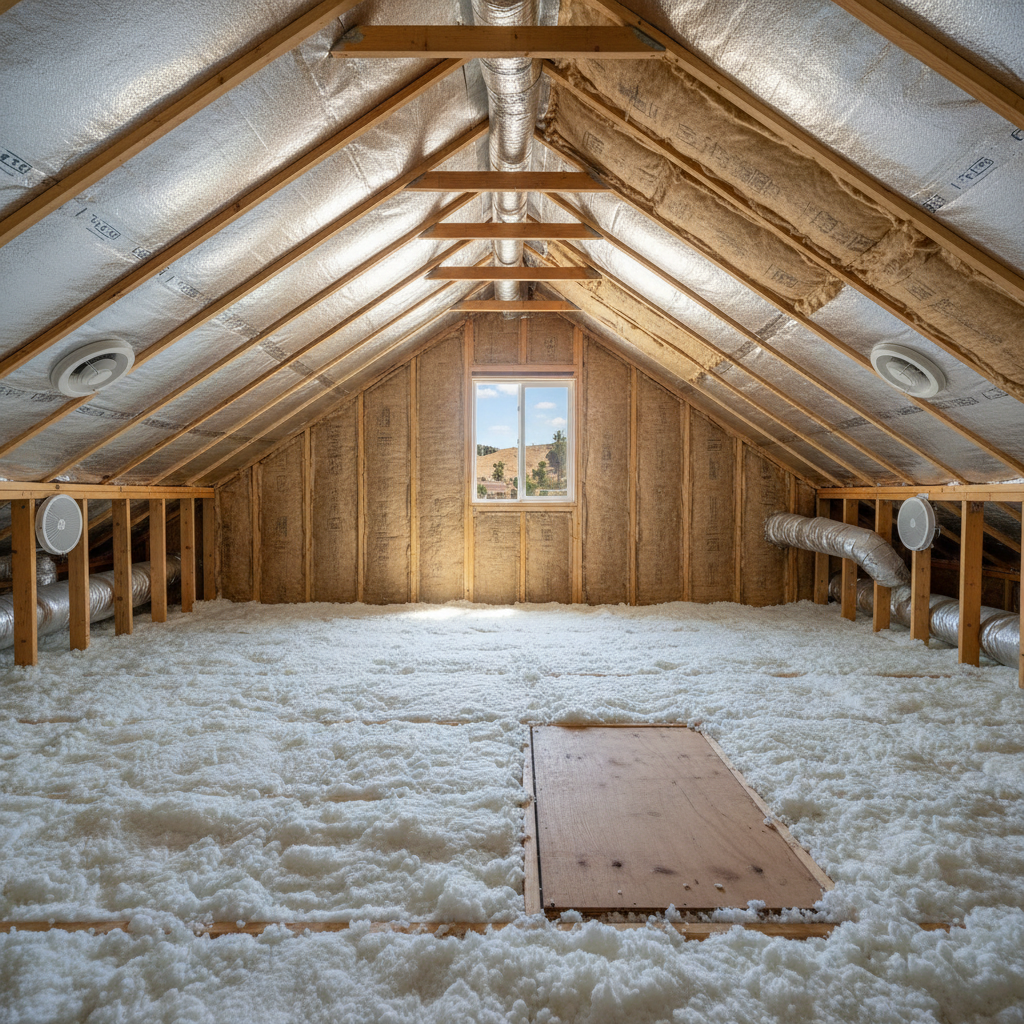
When's the best time to check your attic and insulation? Most folks probably think summer, right? Hot attic, obvious problems. But here in North Anaheim, with our dry, hot summers and surprisingly cool, damp winters, it's not quite that simple. You really need to think about it year-round if you want to protect your home and keep those energy bills from going through the roof.
Why Our North Anaheim Climate Really Matters for Your Attic
Our weather isn't like, say, the Midwest, where you get extreme cold then extreme heat. No, we get long stretches of heat, often hitting triple digits in August and September. Then we have those marine layers and cooler, sometimes rainy, winters. This constant back-and-forth, especially the heat, really puts your attic and insulation to the test.
Just think about it: that attic basically turns into a giant oven in the summer. If your insulation isn't doing its job, that heat radiates right down into your living space, making your AC work overtime. Then, come winter, if it's not sealed up right, you're losing expensive heat straight through the roof. It's a real one-two punch.
When to Schedule Your Attic & Insulation Check
I always tell people, the absolute best time for a thorough attic and insulation check is in the spring or early fall. Why then, you ask? Well, you want to avoid the extremes. Going into an attic when it's 120 degrees up there is not only miserable, but it can be downright dangerous. Plus, some issues are just harder to spot when everything is superheated.
- Spring (March-May): This is prime time. The weather's usually mild, so it's comfortable to get up there. You can easily spot any damage from winter rains, look for signs of pests that might have moved in during the cooler months, and assess your insulation's condition before the summer heat really kicks in. It gives you plenty of time to make repairs or upgrades before you're relying heavily on your AC.
- Early Fall (September-October): Another good window. The intense summer heat is starting to back off, but it's not cold or rainy yet. You can check for any heat damage from the summer, make sure your ventilation is still clear, and prepare your attic for the cooler, potentially damp winter ahead.
What you definitely want to avoid is doing this kind of work in the middle of a heatwave or during a heavy rainstorm. Extreme heat makes it miserable and potentially unsafe. And during heavy rain, you might miss subtle signs of leaks or moisture problems that aren't actively dripping at that exact moment. You're looking for evidence of past water intrusion, not just active leaks, after all.
What I Look For Up There
When I'm up in an attic, I'm not just looking at the fluffy stuff. I'm checking for a few key things:
- Insulation Depth and Coverage: Is it even? Are there bare spots? Is it compressed? For North Anaheim, you really want a good R-value, often R-38 or more, which usually means about 12-15 inches of blown-in insulation. Many older homes in areas like the Anaheim Colony Historic District might have much less.
- Ventilation: Are your soffit vents clear? Is your ridge vent working? Good airflow is critical to prevent heat buildup in summer and moisture accumulation in winter. Blocked vents mean trouble.
- Moisture: Any signs of water stains on the wood, wet insulation, or mold? This usually points to a roof leak or poor ventilation.
- Pests: Rodent droppings, nests, chewed wires, or insect activity? Your attic is a prime target for critters looking for shelter. This is where The Termite Inspectors of North Anaheim really shine – we know what to look for when it comes to wood-destroying organisms.
- Ductwork: Are your HVAC ducts sealed and insulated? Leaky ducts in the attic can waste a ton of energy.
Protecting Your Investment Year-Round
It's not just about that one inspection. You've got to think about ongoing maintenance. Here are a few tips:
- Keep an Eye on Your Roof: A healthy roof is your first line of defense. If you see missing shingles or damaged flashing, get it fixed. Don't wait for a leak to appear in your ceiling.
- Clear Gutters and Downspouts: Especially before and during our winter rains. Clogged gutters can cause water to back up and find its way into your eaves and, eventually, your attic.
- Seal Up Entry Points: Check around your home's exterior for small cracks or openings where pests could get in. A tiny gap is all a mouse needs.
- Monitor Your Energy Bills: A sudden spike in heating or cooling costs could be a red flag that something's off in your attic or with your insulation.
Your attic isn't just dead space; it's a critical part of your home's energy efficiency and structural integrity, especially with our specific climate challenges here in North Anaheim. Taking a proactive approach with seasonal checks and maintenance will save you headaches and money down the road. Don't wait until you're sweating through your shirt or shivering in winter to give it some attention.