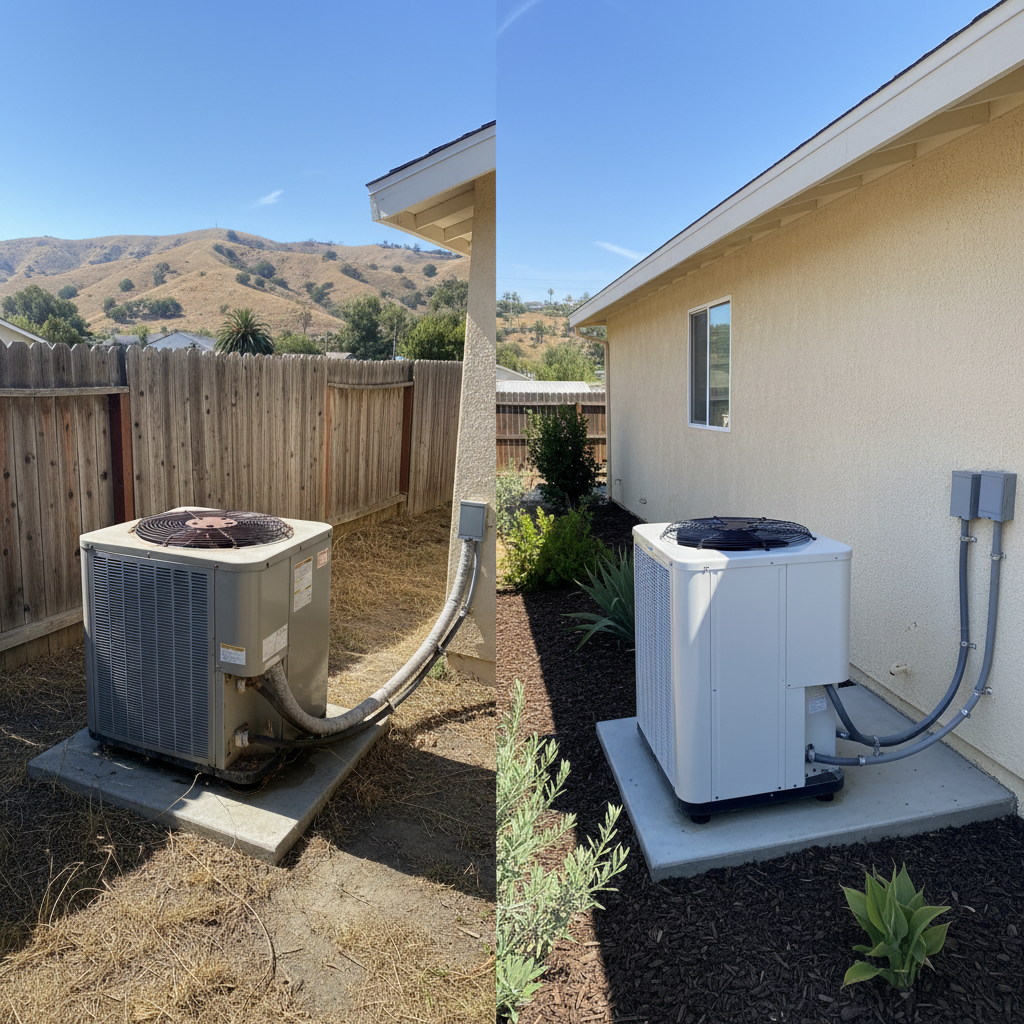
You want your AC to actually work when it's 95 degrees outside, right? And, seriously, nobody wants their furnace to conk out when that rare cold snap hits. Knowing your HVAC system is in good shape isn't just about feeling comfortable; it's about sidestepping those big, expensive surprises that always seem to pop up at the worst time. When you're checking out your heating and cooling, you've generally got two main ways to go: a standard visual inspection or a more advanced thermal imaging scan. Let's dig into what each one really means for you.
The Standard Visual HVAC Inspection
This is probably the kind of check-up you're most familiar with. A technician comes over, opens up your unit, and just takes a good, hard look. They're hunting for the obvious stuff: loose wires, dirty filters, clogged condensate lines, any rusty bits, and leaks you can actually see. They'll listen for weird noises, sniff for burning odors, and make sure your thermostat is talking properly to the unit. Typically, they'll also check refrigerant levels and calibrate your thermostat, which is always a good idea.
Cost: Generally, a visual inspection costs less upfront. You're paying for a technician's time and their know-how, but not for super specialized equipment beyond their usual tools. Here in North Anaheim, you might pay anywhere from $80 to $150 for a basic tune-up and visual check. Of course, that depends on the company and exactly what they throw in.
Durability & Maintenance Insights: A good tech can often spot wear and tear that could lead to trouble down the road. They might tell you if a belt looks like it's fraying or if a capacitor seems ready to quit. It's really preventative maintenance at its core, helping your system last longer by catching problems before they turn into total disasters. They'll usually clean things up a bit too, which boosts efficiency.
Appearance: This doesn't really apply to the inspection method itself, but a visual inspection might involve opening up panels. That's totally normal. They'll put everything back just how they found it, no worries.
What it Misses: Okay, here's the catch. A visual inspection is fantastic for anything you can see. But what about the stuff you *can't*? It won't tell you if a duct is leaking air into your attic where it's hidden, or if a heat exchanger has a tiny, invisible crack that's letting carbon monoxide into your home. It won't show you hot spots in electrical components that are about to fail but look perfectly fine right now. That's exactly where thermal imaging really comes into its own.
Thermal Imaging HVAC Inspection
This is a completely different ballgame. Thermal imaging uses special infrared cameras to pick up heat signatures. Everything gives off heat, and these cameras translate that heat into a visual image, usually with different colors representing different temperatures. Hotter areas might pop up as red or yellow, while cooler spots show as blue or purple.
Cost: Expect to shell out more for this. The equipment itself is expensive, and it takes specialized training to use it well and interpret what you're seeing. An HVAC company might offer it as an add-on to a regular service, or as part of a more in-depth home energy audit. You could be looking at $200-$500 or even more, depending on how big the job is. It's an investment, for sure, but it can save you a lot more money later on.
Durability & Maintenance Insights: This is where thermal imaging truly shines. It can literally see through walls and into your system's hidden parts. For example, I've seen it pinpoint ductwork leaks in older homes in the Anaheim Colony Historic District that were just dumping conditioned air straight into crawl spaces, costing homeowners a fortune in energy bills. It can identify:
- Overheating electrical connections *before* they melt down.
- Uneven airflow or blockages in ducts you can't even reach.
- Insulation deficiencies around your HVAC system or in your home that are making your system work way too hard.
- Hidden moisture problems that could lead to mold or even structural damage.
- Cracks in heat exchangers that are otherwise impossible to see. This is a huge safety benefit, as these cracks can leak carbon monoxide, a silent killer.
Appearance: The inspection itself is non-invasive. The technician just points the camera; no tearing into walls or dismantling your unit beyond what's needed for a normal check. The 'appearance' of your system won't change a bit, but you'll get a much clearer picture of its internal health.
What it Misses: While incredibly powerful, it's not a magic bullet for absolutely everything. It won't tell you if your filter is dirty (you can see that with your own eyes, after all), or if your refrigerant is low (though it might show temperature anomalies that suggest it). It's really best used *with* a good visual inspection, not as a total replacement.
My Recommendation for North Anaheim Homeowners
Look, if you're on a tight budget and just need a basic check, a visual inspection is definitely better than nothing. It'll catch the most common, obvious problems. But if you truly want to understand the health of your HVAC system, especially if it's an older unit, or if your energy bills are mysteriously high, then a thermal imaging inspection is absolutely worth the extra cost. It just is.
Given our hot summers and the age of many homes around here, catching hidden issues like duct leaks or overworked components can save you from a complete system breakdown right when you need it most. Plus, the safety aspect of detecting a compromised heat exchanger? You simply can't put a price on that.
I usually tell folks to get a thorough visual inspection annually. Then, every 3-5 years, or if you're experiencing specific issues, invest in a thermal imaging scan. It's kind of like getting a regular check-up versus an MRI. Both are good, but one gives you a much deeper look, right? Don't wait until your AC dies on a 100-degree August day to figure out what's really going on. If you've got questions about your home's systems, including anything related to potential pests that might affect them, feel free to reach out to us at The Termite Inspectors of North Anaheim. We're always happy to share what we know.