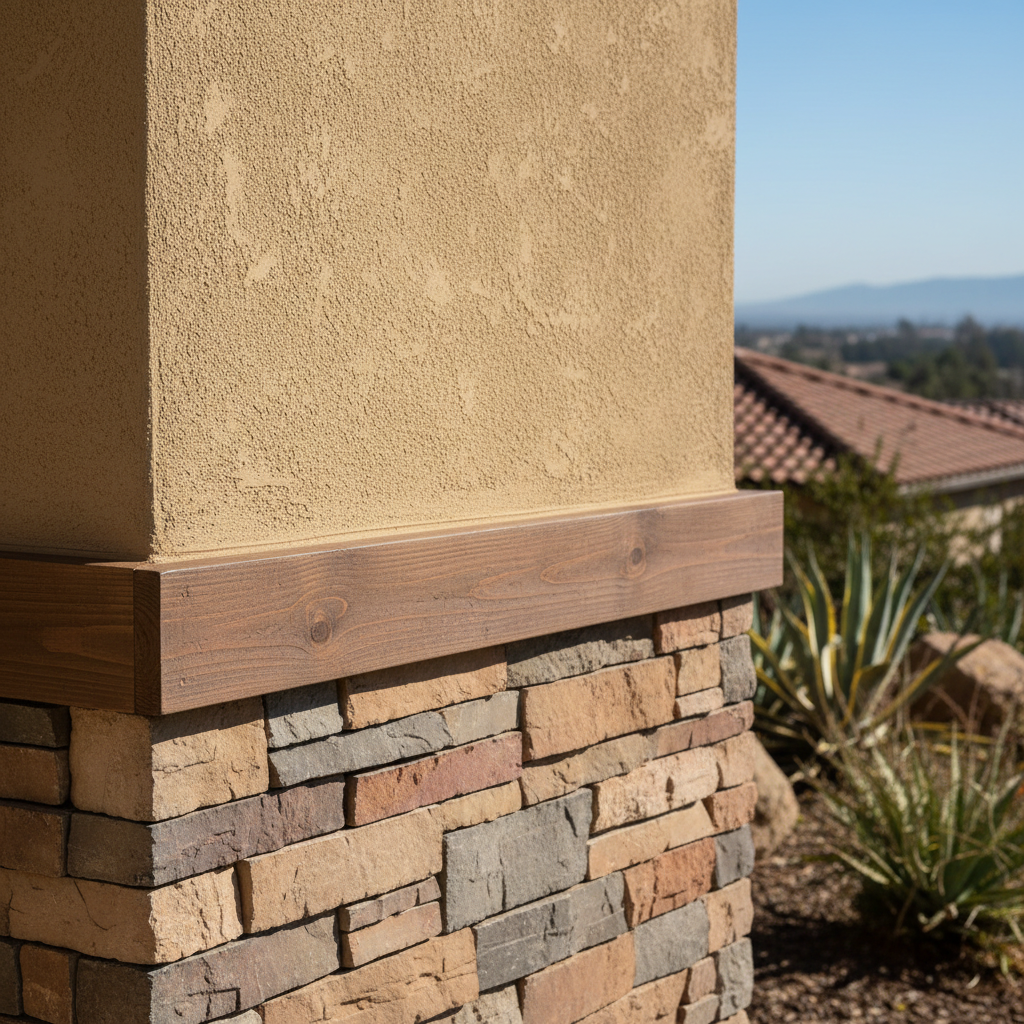
Think your home's exterior walls are just there to look pretty? Nope. They're actually your first line of defense against everything from our blazing summer sun to those occasional Santa Ana winds that kick up dust and all sorts of debris. Keeping an eye on them isn't just about curb appeal, you know; it's about protecting your biggest investment from water damage, pests, and structural problems down the line. That's a big deal.
Before You Start: Get Ready to Inspect
You don't need some fancy degree to do a basic exterior wall inspection, but you do need a plan and some basic tools. First off, pick a good day. Overcast is actually better than bright sun because shadows can hide small cracks, and direct sun can make it harder to see subtle discolorations. You'll want a sturdy ladder, a good pair of binoculars (seriously, they're great for looking at higher spots without risking your neck), a notepad and pen, and maybe a small screwdriver or a stick for poking at suspicious spots. Safety first, always. If you're not comfortable on a ladder, don't push it. That's when you call someone like me.
Walk around your property a few times, maybe even a couple of different days. Get a feel for what 'normal' looks like. Pay attention to areas that get a lot of sun, or stay wet longer after rain, or are constantly in the shade. Our North Anaheim homes, especially those older stucco ones in the Anaheim Colony Historic District, can show their age in different ways depending on their exposure. It's fascinating, really.
During the Inspection: What to Look For
Alright, let's get down to brass tacks. Start from the ground up and work your way around the entire house. Don't rush it.
- Foundation and Siding Interface: Look for gaps where the wall meets the foundation. Any cracks here? Are there signs of moisture wicking up into the siding? This is a common entry point for pests and water.
- Cracks: Not all cracks are created equal. Hairline cracks in stucco or paint are often just cosmetic. But if you see cracks wider than a credit card, or if they're horizontal, stair-stepping, or forming a spiderweb pattern, those could point to foundation movement or structural issues. Note their location and size.
- Stains and Discoloration: Dark streaks, green patches, or white powdery residue (efflorescence) all point to moisture problems. Green usually means algae or mildew, which means constant dampness. White powder means water is evaporating and leaving mineral deposits behind. Find the source of that water.
- Peeling Paint or Deteriorated Siding: This is more than just ugly. Peeling paint means the surface isn't protecting the wall material anymore. If you have wood siding, look for rot, soft spots, or insect damage. For stucco, look for areas that sound hollow when you tap them gently – that could mean delamination.
- Gaps Around Windows, Doors, and Vents: This is a big one. Caulking and weatherstripping break down over time. If you can see light through a gap, or feel a draft, it's letting in more than just air. Water and bugs will find those openings.
- Gutters and Downspouts: Make sure they're clear and directing water away from the house. Clogged gutters can cause water to overflow and run down your walls, leading to all sorts of damage.
- Termite Evidence: Since you're already looking, keep an eye out for mud tubes on the foundation or walls. If you see those, or any other signs of these little munchers, you'll want to call us at The Termite Inspectors of North Anaheim right away. We've seen too many homes get eaten from the inside out because small signs were missed.
After the Inspection: What to Do Next
So, you've got your notes. Now what? For minor issues like small cracks you can fill with caulk, or a bit of mildew you can scrub off, go for it. Re-caulking around windows and doors is a great DIY project that saves energy and prevents water intrusion. Cleaning your gutters is another easy one.
But for anything more serious – significant cracks, widespread rot, suspected termite activity, or large areas of stucco damage – that's when you call a professional. Don't try to patch over a big problem; you'll just be putting a band-aid on a gushing wound. A good contractor can properly diagnose the issue and fix it right the first time, saving you a lot of headache and money in the long run. We're always happy to come out and give you an honest assessment of what's going on with your exterior walls.