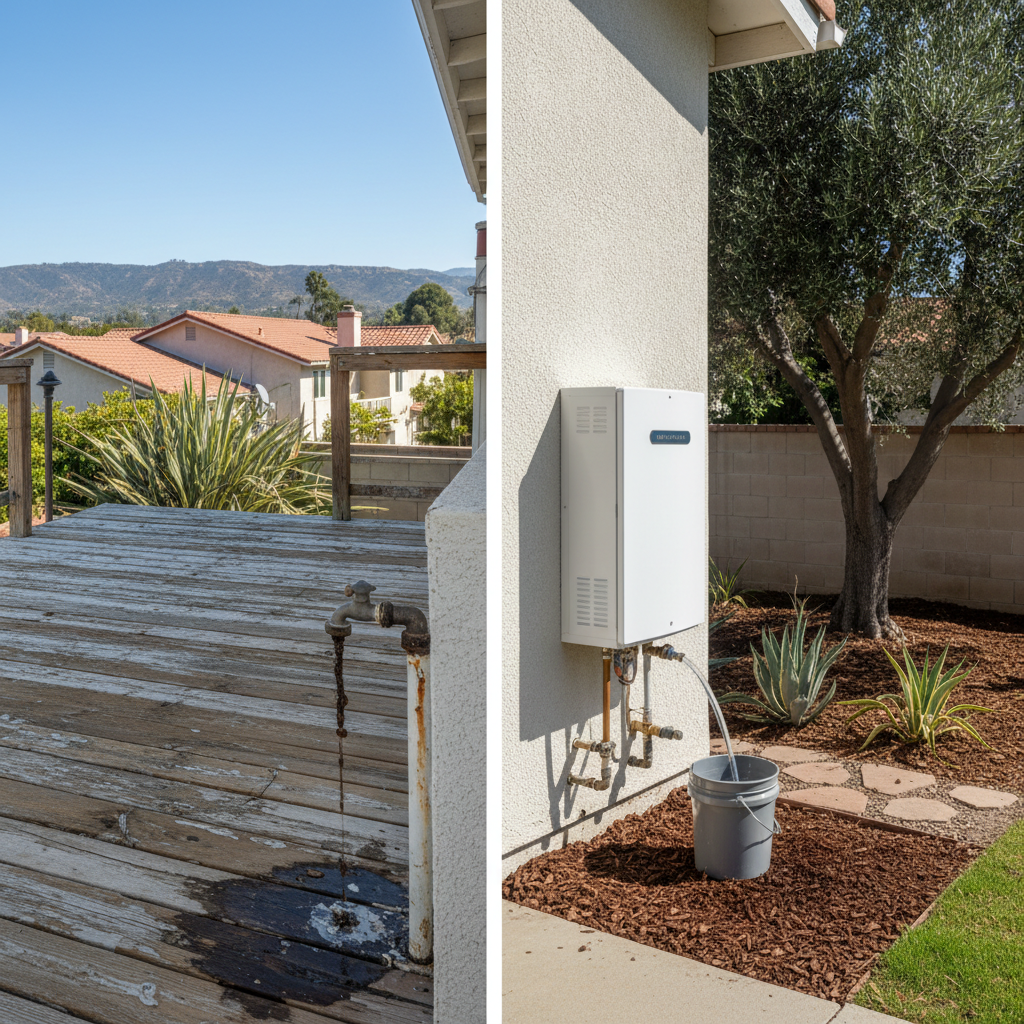
You've got a house full of appliances, right? Your refrigerator, oven, dishwasher, washer, dryer — they're all working hard for you every single day. But how do you *really* know if they're doing their job efficiently, or if they're about to give up the ghost? Folks usually check their appliances in one of two ways: there's the basic visual and operational check, and then there's the more advanced diagnostic testing. Let's talk about what each of these means for you, especially here in North Anaheim.
Basic Visual & Operational Checks: The DIY Approach
Most homeowners go this route, and honestly, it's a great place to start. When I'm doing an inspection, these basic checks are always my first step. It's all about seeing if the appliance turns on, if it heats or cools, if it spins, if it drains. You're looking for those obvious signs of trouble, you know?
- Cost: Zero, if you're doing it yourself. If you hire someone for a general home inspection, this kind of check is usually part of the deal, so you won't pay extra just for it.
- Durability insights: You can easily spot things like a leaky dishwasher hose, a dryer vent that's clogged, or a torn fridge door seal. These are often signs of wear and tear that, if you ignore them, can quickly turn into bigger problems. Maybe you'll notice your oven isn't heating evenly, or the washing machine is suddenly making a new, weird noise.
- Maintenance: This approach often points out simple maintenance tasks. Cleaning out the lint trap, wiping down seals, checking water lines for kinks — these are easy things you can do to keep everything running smoothly.
- Appearance: You're seeing the appliance as it truly is. Rust spots, dents, dirty filters – they're all right there. It tells you a story about how well it's been looked after.
The big win here is that it's quick and cheap. You can do it regularly, too. For instance, if you live in one of those older homes near the Packing District, you know how hard your AC unit works in the summer. A quick check of the outdoor unit for debris or a clogged filter could save you a costly service call.
Advanced Diagnostic Testing: Calling in the Pros
Now, this is a whole different ballgame. When we talk advanced diagnostics, we're talking about specialized tools and serious knowledge. This isn't just turning the dishwasher on; it's measuring water temperature, checking pump pressure, looking at error codes, and sometimes even pulling out components to test them individually. This is exactly what a dedicated appliance repair technician does.
- Cost: This is where it gets pricier. You're paying for a specialist's time, their specific tools, and their expertise. A service call alone might run you $100-$200, and that's before any parts or actual repairs even begin.
- Durability insights: This is where you get the real deep dive. An advanced test can tell you if a compressor is starting to fail, if a heating element is drawing too much power, or if a control board is on its way out. It can actually predict failures before they happen, giving you a heads-up on an appliance's remaining lifespan.
- Maintenance: Beyond just spotting issues, a technician can often handle more complex maintenance. We're talking about things like recalibrating settings, cleaning internal components, or replacing worn-out parts that you just can't see with your own eyes.
- Appearance: While they'll certainly notice external issues, their main focus is on the internal workings. They're looking past the aesthetics and straight to the performance.
The downside? It's not something you'd do every year for every appliance, unless you suspect a problem or you're buying a used home and want to be sure about the included appliances. It's definitely an investment.
So, Which One for North Anaheim Homeowners?
Here's my take, especially since I live and work right here in North Anaheim. For most everyday situations, a solid, regular basic visual and operational check is your absolute best friend. You really should be doing this yourself a few times a year. It'll catch the majority of common issues before they turn into full-blown emergencies.
However, there are specific times when advanced diagnostic testing is absolutely worth the money:
- Before buying a home: If you're looking at a property, especially one with older appliances, you'll want to know what you're getting into. A general home inspection (like what we do at The Termite Inspectors of North Anaheim for other systems) will cover basic appliance function, but if you're truly worried about a specific, high-value appliance, a dedicated appliance tech's diagnostic might save you thousands later.
- When an appliance is acting up, but you can't pinpoint why: It's making a noise, or not quite working right, but there are no obvious leaks or broken parts. That's exactly when you need the pros to dig deeper.
- For high-value appliances nearing the end of their typical lifespan: If your fridge is 10-12 years old, or your washer is pushing 8, a diagnostic might tell you if it's worth repairing a specific issue or if you should just start budgeting for a replacement.
Think of it this way: the basic check is like your annual physical – good for general health. Advanced diagnostics are like getting an MRI when the doctor suspects something serious. Both have their place. For day-to-day, be proactive with those basic checks. You'll save money and headaches in the long run.