What exactly is "appliance function testing"?
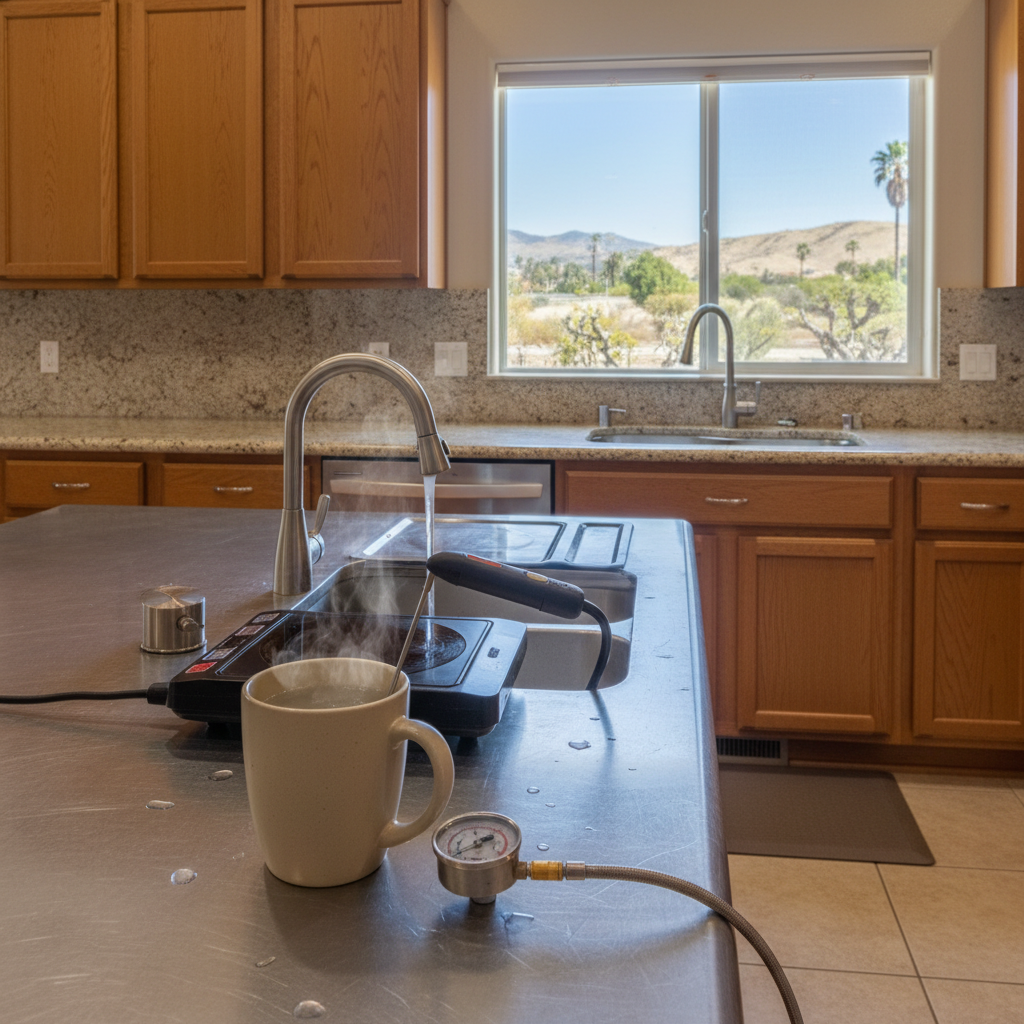
Alright, let's get straight to it. When we talk about appliance function testing, we're not planning to take your fridge apart or run a full diagnostic on your dishwasher like a factory technician would. What we *are* doing is checking that your appliances turn on, cycle through their basic operations, and generally do what they're supposed to do. Think of it more like a quick health check, not some in-depth physical. We're looking for obvious problems, not the hidden ones that need specialized tools or hours of disassembly. Basically, we're making sure the lights come on, the water runs, and the heat gets hot.
Which appliances are typically included in this testing?
Usually, we focus on the big ones that come with the house, especially when you're buying or selling. That means your oven or range, the dishwasher, the microwave (if it's built-in, of course), the garbage disposal, and sometimes the washer and dryer if they're part of the sale. We won't be testing things like your toaster or that fancy espresso machine you brought with you. It's really about the fixed, built-in stuff that's considered part of the property. If you've got a specific appliance you're worried about, like a wine fridge or a trash compactor, it's always best to ask us upfront if we'll include it.
How long does this testing usually take?
Honestly, it doesn't take very long for each appliance. We're not going to run a full wash cycle on your dishwasher or bake a cake in your oven, believe me. Instead, we're turning it on, checking for power, seeing if it heats up, if water fills and drains, and listening for any obvious red flags like grinding noises or leaks. For most homes, we can get through all the standard appliances in about 15-30 minutes. It just depends on how many there are and how easy they are to get to. It's a quick, visual, and operational check, not some kind of deep dive.
What kind of issues can this testing reveal?
You'd probably be surprised what a quick check can uncover. We've seen ovens that won't heat past 200 degrees, dishwashers that fill but then refuse to drain, microwaves with non-spinning turntables, and garbage disposals that just hum without grinding. Sometimes it's a simple fix, like a tripped breaker, but often it points to a failing component or a bigger problem. We're looking for things like:
- No power, or power that flickers on and off
- Heating elements that aren't working (like in an oven or dryer)
- Water leaks (from the dishwasher or washer)
- Unusual noises (disposal, dishwasher, dryer)
- Controls that don't respond correctly
- Basic cycles that just won't finish
It's not going to tell you if your fridge is going to die next month, but it *will* tell you if it's not cooling right now.
What won't this testing tell me about my appliances?
This part is really important to understand. We aren't appliance repair technicians, and we're not doing a comprehensive diagnostic. We won't know the remaining lifespan of an appliance, if a specific internal sensor is faulty, or if there's a slow, developing issue that isn't immediately obvious. Also, we won't know if an appliance is running at peak efficiency or if it's costing you more in electricity than it should. For instance, your dryer might heat up fine, but we won't know if the vent is clogged with lint — a common problem in older homes around the Sunkist neighborhood. That's a separate issue that needs a deeper look. If you want that level of detail, you'll need to call a specialist appliance repair company.
Why is appliance function testing important, especially for home buyers?
Look, buying a home is a huge investment, and the last thing you want is to move in and find out your dishwasher is basically just a glorified storage cabinet or your oven is a big warming drawer. Appliance function testing gives you a basic understanding of what you're actually getting. It helps you budget for potential repairs or replacements, or even negotiate with the seller before closing. It's all about minimizing those unwelcome surprises after you get the keys. For sellers, it can also be a good way to find and fix minor issues beforehand, making your home more attractive to buyers. It's a small step that can save you a big headache down the road.
Can I skip this testing if the appliances look new?
I really wouldn't recommend it, even if they look brand new. Looks can be deceiving, you know? I've seen shiny, recently installed appliances that don't work right out of the box, or have been installed incorrectly. Just because it's pretty doesn't mean it's functional. A quick test is cheap insurance. Plus, sometimes an appliance might look great but has been sitting unused for a while, and that can cause its own set of problems. You're buying a house, not just a pretty picture, so make sure everything that's supposed to work actually does. That's why folks trust The Termite Inspectors of North Anaheim for a thorough check; even if it's not about termites, it's about giving you some comfort about your new place.